Envelope budgeting, also known as the cash stuffing method, is a simple and visual approach to better control spending. It involves dividing money into different categories in order to limit overspending and better anticipate monthly expenses. Very popular on social media, this method attracts many people thanks to its simplicity and effectiveness, especially in a context where many individuals are trying to regain control over their finances.
Understanding the principle of the envelope method
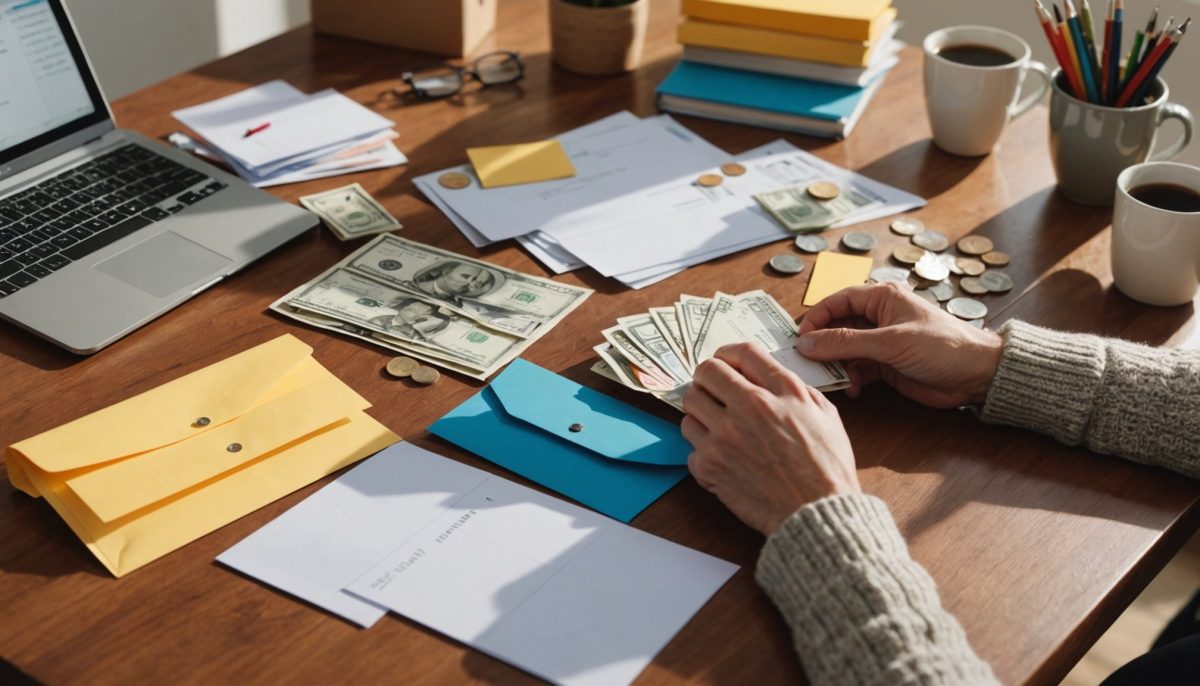
The process is easy to understand in this guide cash stuffing. The idea is to split the monthly budget into several spending categories, then assign each category a dedicated envelope. For example, one envelope for groceries, another for leisure, and another for transportation.
At the beginning of the month, a sum of cash is withdrawn and then distributed into these envelopes according to a predefined budget. Each envelope represents a spending limit that must not be exceeded.
A key rule structures this method: when an envelope is empty, spending in that category stops. You must then wait for the next income before refilling it. This constraint helps better control purchases and avoid impulsive spending.
Preparing your monthly budget step by step
Before implementing this method, it is important to organize your budget properly. The first step is to analyze your income and determine your disposable income after fixed expenses such as rent, bills, or subscriptions.
Next, you need to identify variable daily expenses. These may include food, outings, clothing, or transportation costs. To be more accurate, it is recommended to base this on expenses from the past few months to get a realistic average.
Once these categories are defined, you simply create corresponding envelopes and assign a specific amount to each one. It is also possible to set aside a special envelope for savings or unexpected expenses.
Distributing money into envelopes
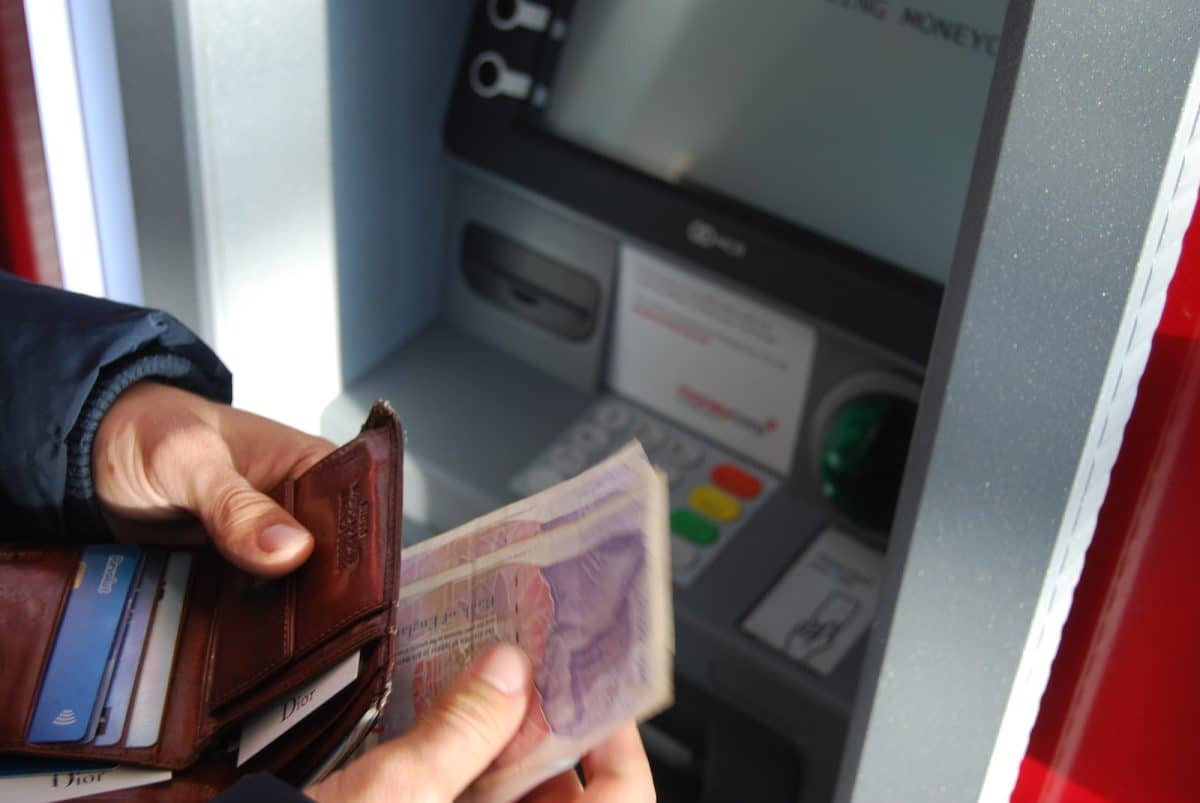
After defining the amounts, you need to withdraw the necessary cash. It is important to leave in your bank account the amounts dedicated to fixed expenses that will be automatically debited.
Once the withdrawal is done, the money is distributed into each envelope according to the established budget. For example, a groceries envelope may contain €300, while a leisure envelope may receive €80.
Each envelope then becomes a clear spending limit. This makes it possible to visually track how much money is available for each category.
Managing daily expenses
On a daily basis, management is very simple. With each purchase, money is taken directly from the corresponding envelope. This allows you to immediately see your budget decrease and become aware of your spending.
If an envelope becomes empty before the end of the month, you must stop spending in that category or wait for the next income. This constraint helps prioritize needs more effectively.
Conversely, if money remains in an envelope at the end of the month, it can be kept for the following month or transferred to a savings envelope. Over time, this helps adjust amounts to better match your habits.
Benefits of envelope budgeting
This method offers several concrete advantages. First, it helps you better visualize your budget and know exactly how much is available for each spending category.
Using cash also makes spending feel more real. You become more aware of what you are spending, which naturally limits unnecessary or impulsive purchases.
It also encourages better financial discipline. By sticking to fixed limits, it becomes easier to avoid overspending.
Finally, this method promotes saving. Unused money can be set aside for future projects or unexpected expenses.
Limitations of this method
Even though it is effective, the envelope method has some drawbacks. Using cash can raise security concerns, especially in case of loss or theft.
In addition, many modern expenses are made online or by card, which makes the method less suitable in some situations. It can also be difficult to manage recurring payments such as subscriptions or bills.
Finally, cash withdrawal limits imposed by banks can complicate budget distribution for larger amounts.
Combining the method with budgeting rules
To make this method even more effective, it can be combined with the 50-30-20 rule. This approach divides the budget as follows :
- 50% for essential expenses (housing, bills, subscriptions)
- 30% for leisure and variable expenses
- 20% for savings
In this case, envelopes are mainly used for leisure and variable expenses. Fixed expenses and savings are managed directly from the bank account. This combination provides a clearer and more balanced financial organization.
Adapting the method with digital tools
Today, there are also digital alternatives to the envelope method. Some applications allow users to create virtual spending categories while tracking their budget in real time.
These tools provide a clear overview of expenses and help better analyze financial habits. They also make tracking easier without the need to use cash.
Modern banking apps often offer similar features, such as automatic expense categorization and simple budgeting dashboards. Thanks to these solutions, it is possible to keep the spirit of the envelope method while adapting to modern usage.